The Evolution of the Force Majeure Clause
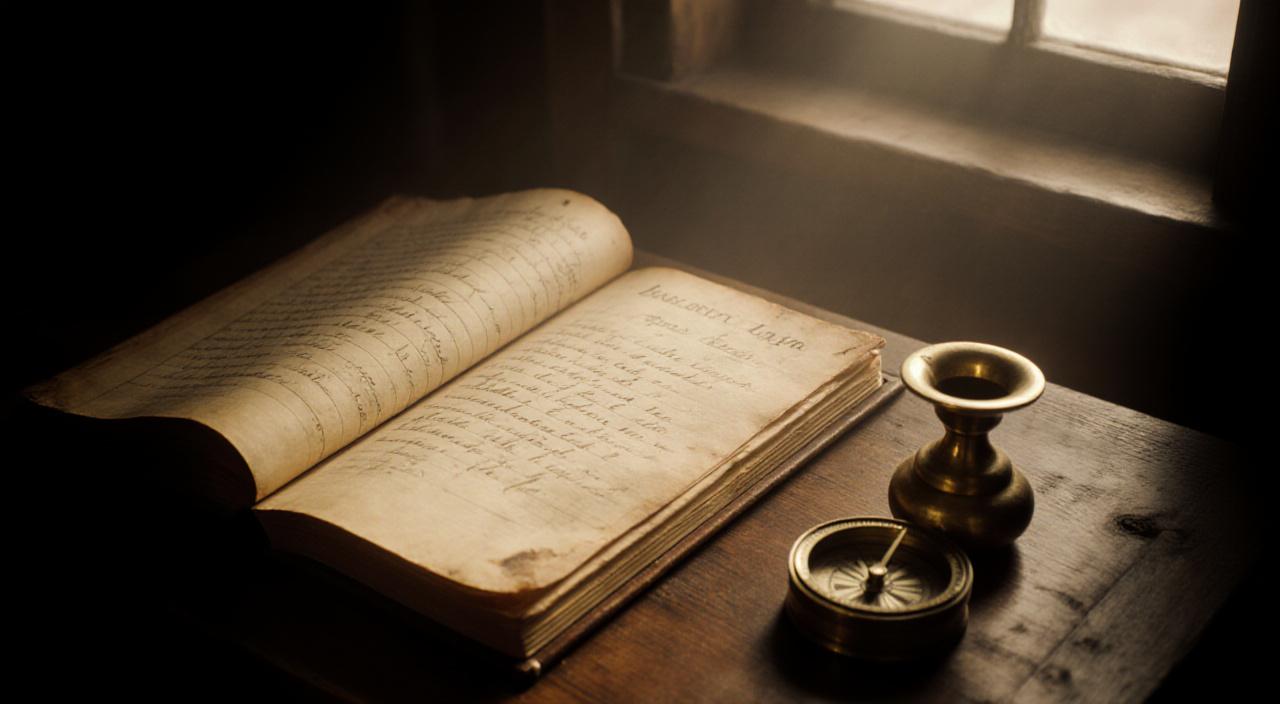
Origins in Acts of God
The concept of Vis Major or an "Act of God" has deep roots in Roman law, originally serving as a shield when inevitable accidents occurred without human intervention. In medieval English law, this doctrine was exceptionally rigid, often holding parties to their absolute promises regardless of tragedy. It was the slow recognition of these "unavoidable accidents" that allowed for the birth of what we now recognize as the Force Majeure clause.
Historically, shipping was the primary crucible for these developments. Merchant vessels facing tempests at sea required specific legal protections. These historic shipping precedents shaped modern logistics agreements, transitioning from vague theological concepts to precise commercial risk allocations.
"A contract is a law between the parties, but even the law must bow before the impossible."
The Weight of Vocabulary
When drafting for unforeseen events, the vocabulary employed is of paramount importance. In the 18th and 19th centuries, the distinction between "restraint of princes" and "perils of the sea" could mean the difference between a protected venture and financial ruin. Today, Codex Antiqua revives this precision, ensuring that the lexicon of your agreement covers modern catastrophes with the same granular detail found in historic charters.
Historic Precision
Utilizing terms refined over centuries to withstand judicial scrutiny.
Modern Resilience
Adapting traditional protections to 21st-century digital and global risks.
Conclusion: The Failure of the Boilerplate
Why do standard boilerplate clauses often fail? They lack the historical context and the tailored language necessary to survive specific jurisdictional challenges. A Force Majeure clause should not be an afterthought; it is a vital organ of the contract. At Codex Antiqua, we move beyond the generic, drafting clauses that are grounded in history yet sharp enough for the modern stage.
Ensure your agreements are prepared for the unforeseen.
Contact Our Drafters